AI & RAG Systems
Machine learning models and RAG pipelines, served as APIs.
Models that answer in production
From the dataset to a deployed endpoint: ML models and retrieval-augmented LLMs that apps can call.
I build machine learning that leaves the notebook: classification and prediction models, chatbots grounded in an organisation's own documents with Retrieval-Augmented Generation, and computer-vision models tested on edge hardware.
Every model ships as a service, usually a FastAPI endpoint with a clear contract, so web, mobile and IoT teams can use it without touching the training code.
Skills & tools
What a AI & RAG Systems project draws on
Machine Learning
Models that survive production.
LLM & RAG
Answers grounded in your data.
Model Serving
Models behind an API.
AI Automation
Workflows that run themselves.
How I
work
A look at how a typical AI & RAG Systems project comes together
01
Data & Baseline
I check what the data can and cannot answer, then train a simple baseline so every later model has something to beat.
Outcomes
- Data audit
- Baseline model
- Evaluation metrics
02
Pipeline
Training, retrieval and prompts are built as a pipeline that can be rerun, not as a one-off notebook.
Outcomes
- Training pipeline
- Knowledge base
- Prompt design
03
Serving
The model is wrapped in an API, tested against real requests and handed to the teams that consume it.
Outcomes
- API endpoint
- Evaluation report
- Integration guide
Related Work
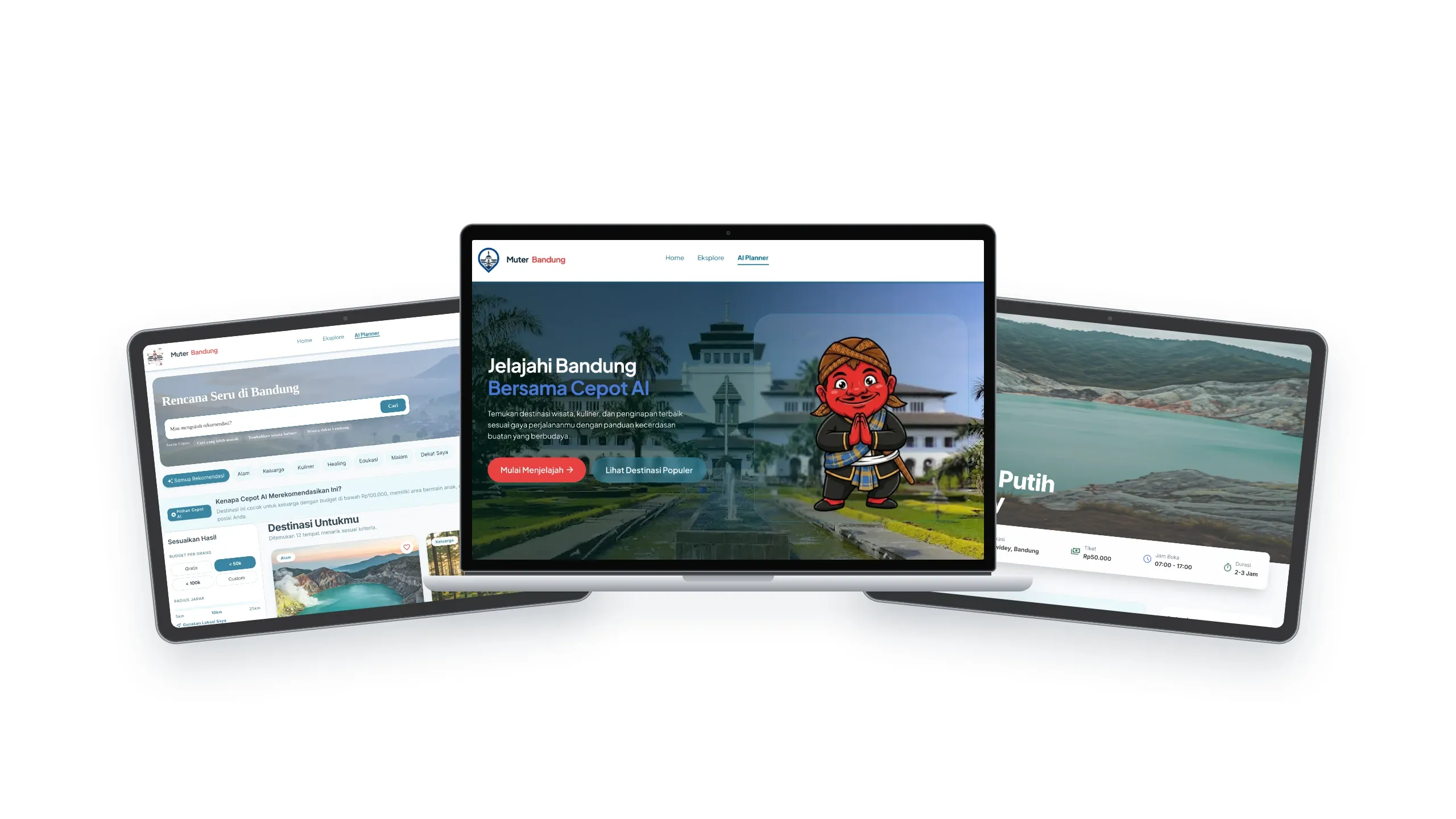
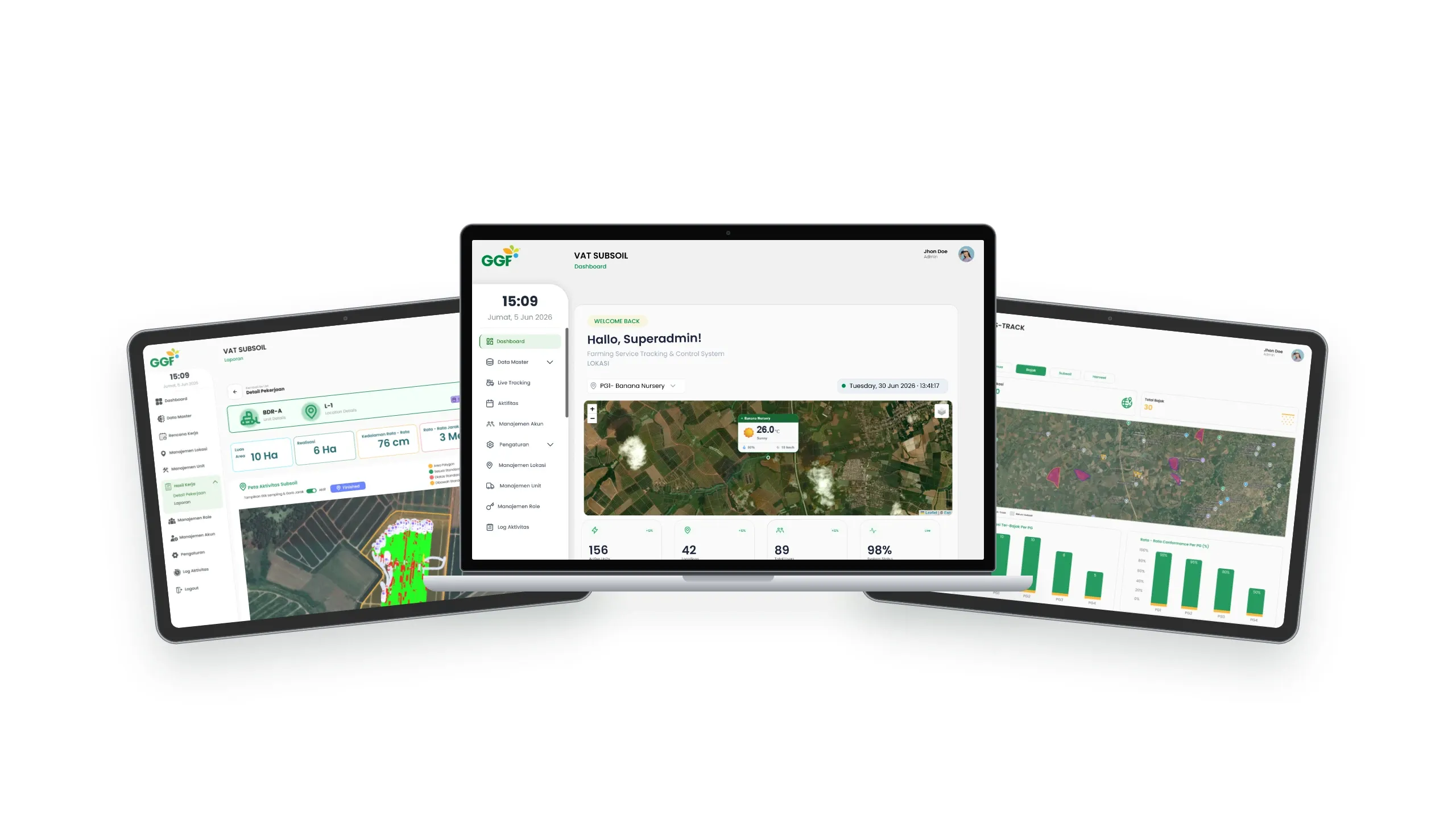
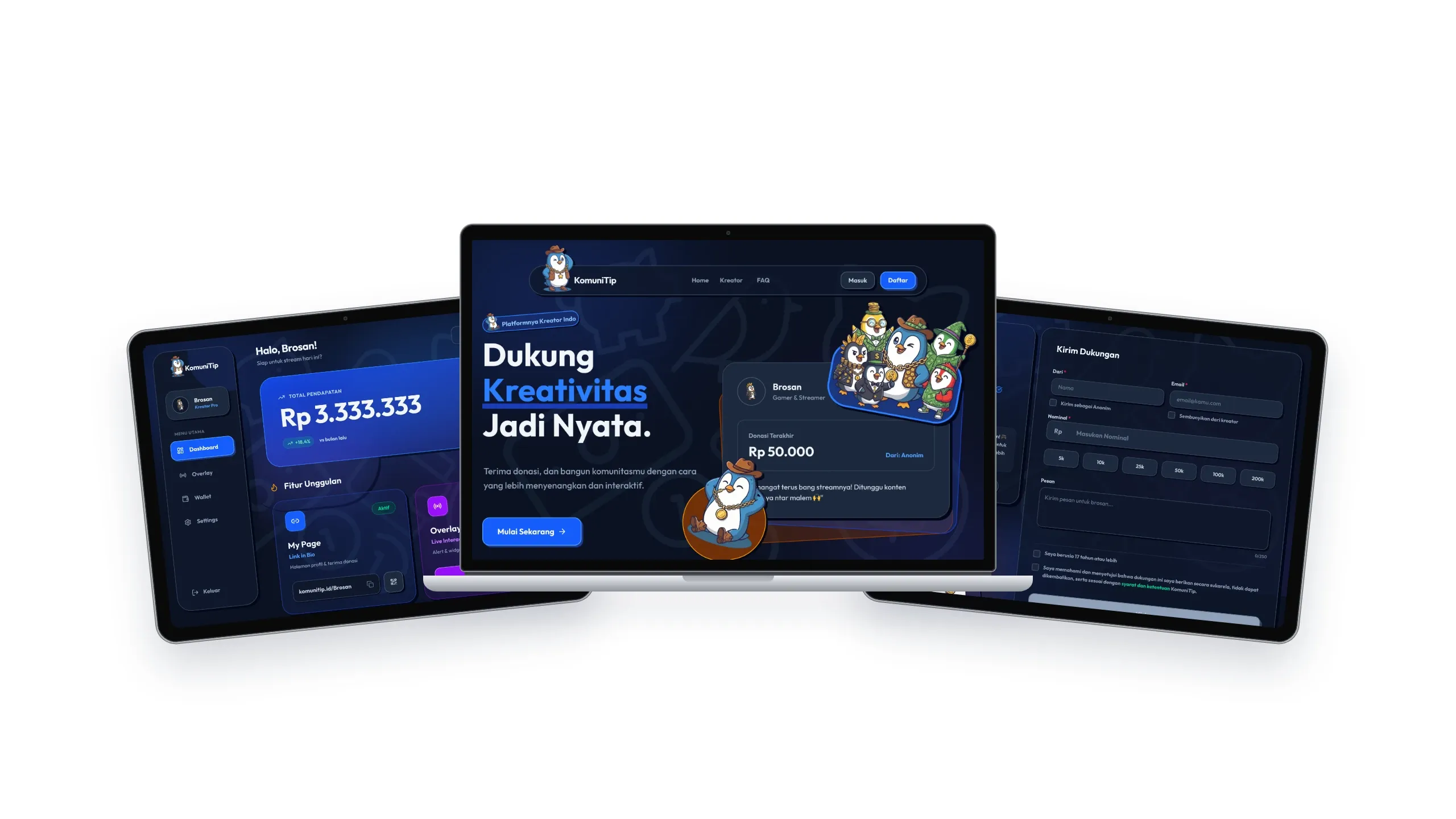
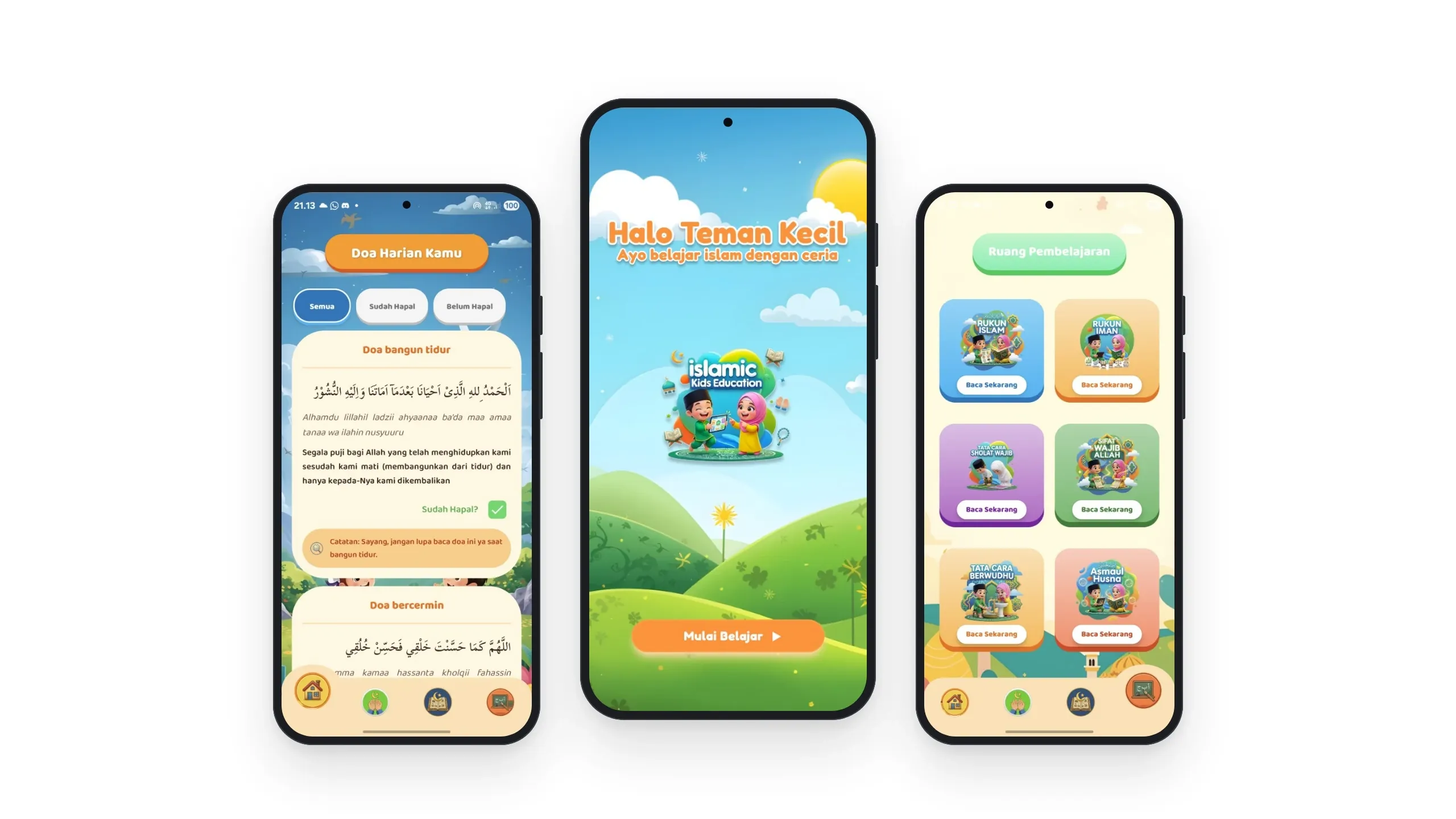
Retrieval-Augmented Generation lets a language model answer from your own documents instead of guessing. I have built RAG pipelines on open-source LLMs and a RAG chatbot that takes text, speech and image input.
Open-source LLMs, and pre-trained models such as Gemini, Llama and Grok.
It can. During my research internship at Universiti Sains Malaysia I validated deepfake-detection inference on a Raspberry Pi.
Common Questions
Answers to what people ask most about AI & RAG Systems
Need help with your project?
Let’s work together!